
What is sustainable energy?
Sustainable energy includes any energy source that cannot be depleted and can remain viable forever. It does not need to be renewed or replenished; sustainable energy meets our demand for energy without any risk of going bad or running out. This is why sustainable energy is the answer to our energy needs.
Furthermore, sustainable energy doesn’t harm the environment (or at most, there is a minimal risk), increase climate change or cost a heavy price. Although there is a cost associated with creating and building ways to capture sustainable energy, the energy sources themselves are typically free.
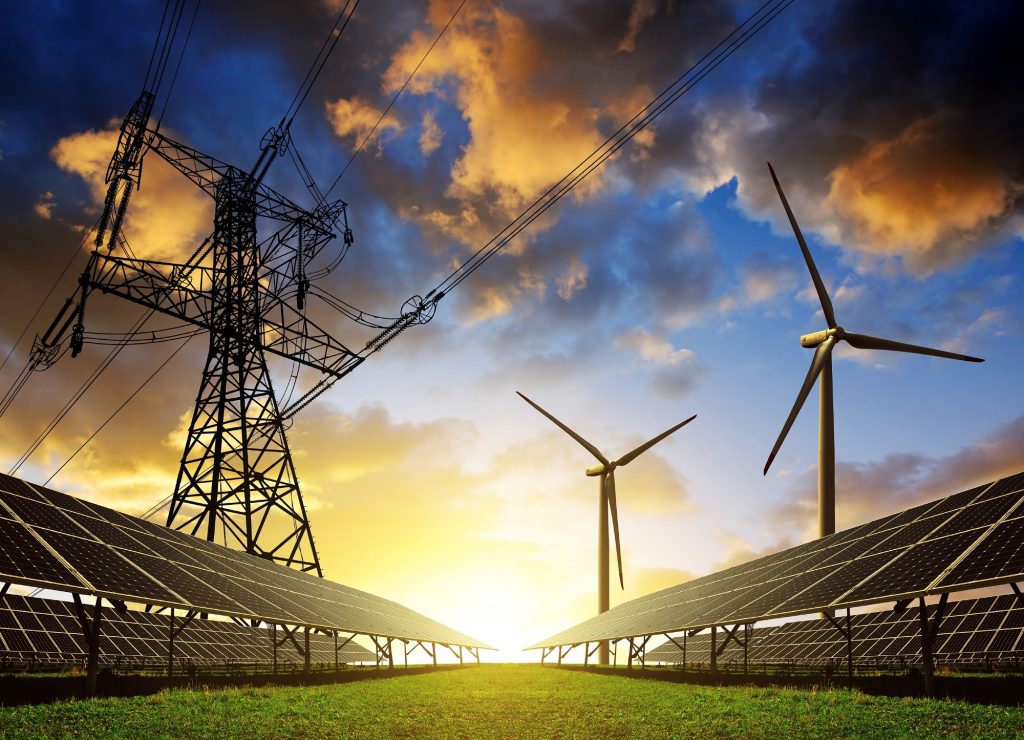
Examples of sustainable energy sources include wind, solar and water (hydropower). All of which can be considered inexhaustible and widely available to almost everyone. Geothermal energy can also be included as a sustainable alternative energy source. Geothermal energy creates usable energy from the planet’s internal energy sources, such as geysers.
Sustainable energy systems are dependent upon engineers to further progress. For an in-depth introduction to sustainable energy, explore Toolseeram Ramjeawon’s “Introduction to Sustainability for Engineers.” This book provides students with a framework for how to put sustainability into practice. It also highlights the design process and offers a variety of case studies to comprehensively cover sustainable energy.
What is the difference between sustainable and renewable energy?
People often use the terms “sustainable” and “renewable” interchangeably. However, there is a difference between the two: the possibility of replenishment.
Sustainable energy, as highlighted above, is theoretically inexhaustible. It cannot be depleted because sustainable energy sources don’t need to be replenished. For example, think of the sun or wind. Neither resource needs to be created or replaced.
On the other hand, renewable energy is theoretically exhaustible — it uses resources from the earth that can naturally be replenished, such as crops and biomatter. A renewable energy source like bioenergy uses biological masses (e.g. agricultural byproducts like straw and manure) to create energy. Another example of bioenergy is ethanol, which is made from sugarcane and corn. Since these crops can be planted and farmed to generate more energy, it’s a type of renewable energy. For more information on renewable energy systems, take a look at Vladimir Strezov and Hossain Md. Anawar’s “Renewable Energy Systems from Biomass: Efficiency, Innovation and Sustainability,” which explores the ties between bio-related renewable energy systems and overall sustainability:
Image showing energy crisis with fossil fuels becoming scarce and rising CO2 emissions. New renewable energy sources depicted.